Marketers Struggle as AI Rewrites the Rules of Search and SEO
AI is completely flipping the SEO game, and marketers are freaking out. Half of companies already use AI for content creation, yet many still don’t get how the algorithms actually work. Sure, AI cranks out optimized pages faster than humans ever could. But here’s the kicker—it writes like a robot because, well, it is one. The smart ones know they need both AI’s data-crunching power and human creativity to survive this mess.

While AI promises to revolutionize SEO, most marketers are stumbling around like kids trying to program a VCR. The numbers tell the story. Sure, 65% of companies report better SEO results with AI. But dig deeper and you’ll find marketers sweating bullets over algorithms they barely understand.
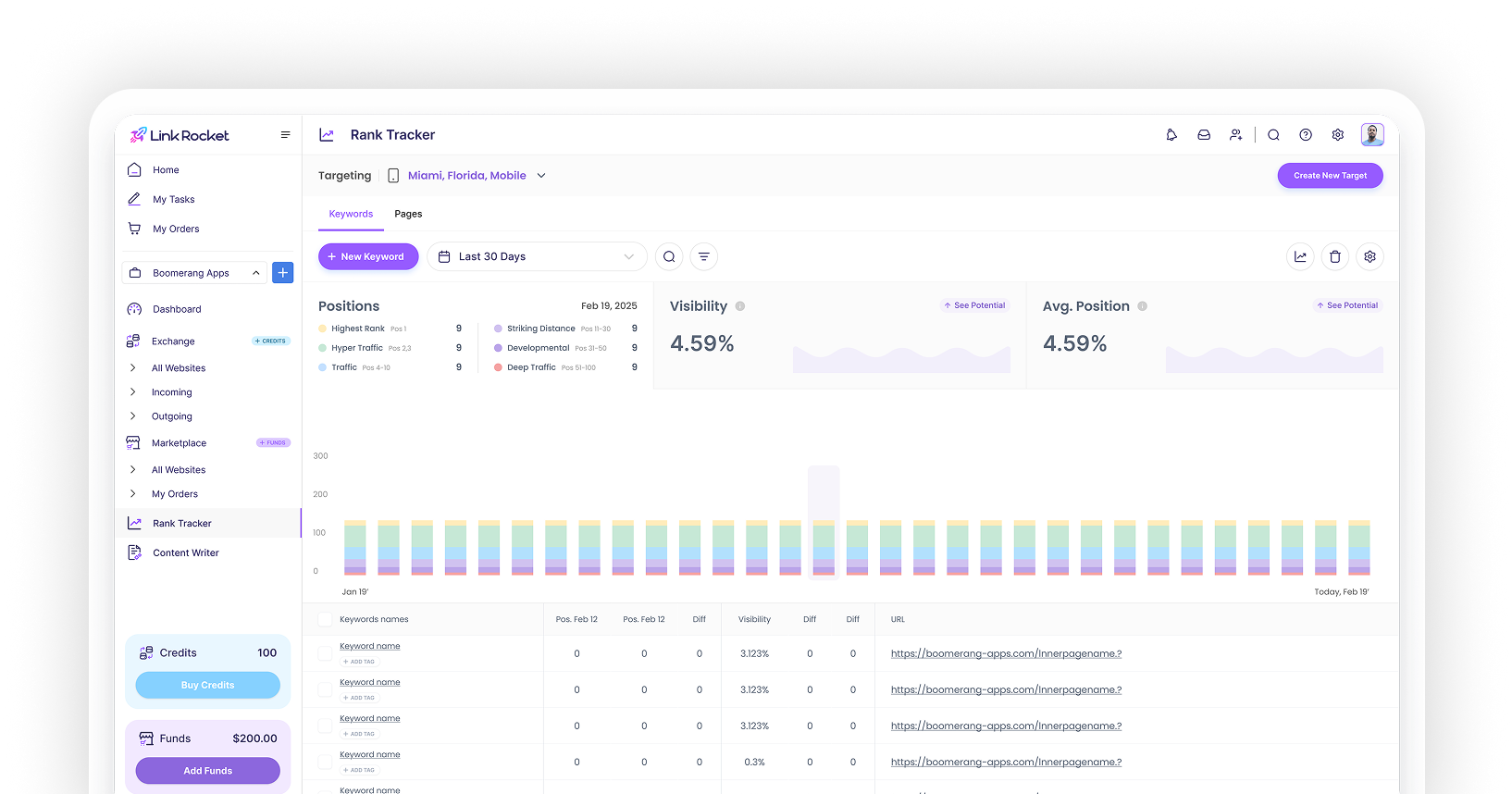
The AI marketing industry hit $47.32 billion in 2025. That’s a lot of cash flowing into tools that half the people using them can’t fully grasp. Complex algorithms, automated systems, programmatic SEO that churns out optimized pages faster than a caffeinated copywriter. It’s overwhelming. And marketers know it. Tools like Domain Authority metrics help evaluate backlink quality, but many struggle to interpret the data effectively.
Here’s the kicker: AI lacks the human touch. It can’t strategize like a person. It can’t create with genuine creativity. Those AI-generated articles? They read like robots wrote them. Because, well, robots did write them. Yet 50% of companies now use AI for content creation anyway. Progress or desperation? You decide.
The opportunities are real though. AI identifies emerging trends, optimizes for voice search, tackles visual queries. It processes data mountains that would bury human analysts. RankBrain and BERT have already changed how search engines think. Marketers either adapt or get left behind. With 92% of businesses planning to invest in generative AI tools within three years, the transformation is inevitable.
But adaptation isn’t simple. Resources get stretched thin between paying for AI tools and keeping human experts on staff. Companies struggle to balance short-term AI wins with long-term SEO strategies. The market’s expected to balloon to $107.5 billion by 2028, so this tension isn’t going away.
AI automates the grunt work. Keyword research, competitor analysis, content optimization. The tedious stuff that used to eat hours now happens in minutes. Great for efficiency. Terrible for marketers who built careers on those skills. By 2027, 42% of business processes are predicted to be automated, fundamentally reshaping the marketing workforce.
The real challenge? Finding the sweet spot between AI capabilities and human insight. AI provides data and suggestions. Humans provide strategy and creativity. Neither works well alone. Marketers who figure out this balance will thrive. The rest will keep fumbling with the metaphorical VCR remote, wondering why nothing works like it used to.