Weaponize Claude Code Into a Ruthless SEO Command Center to Outrank Industry Leaders
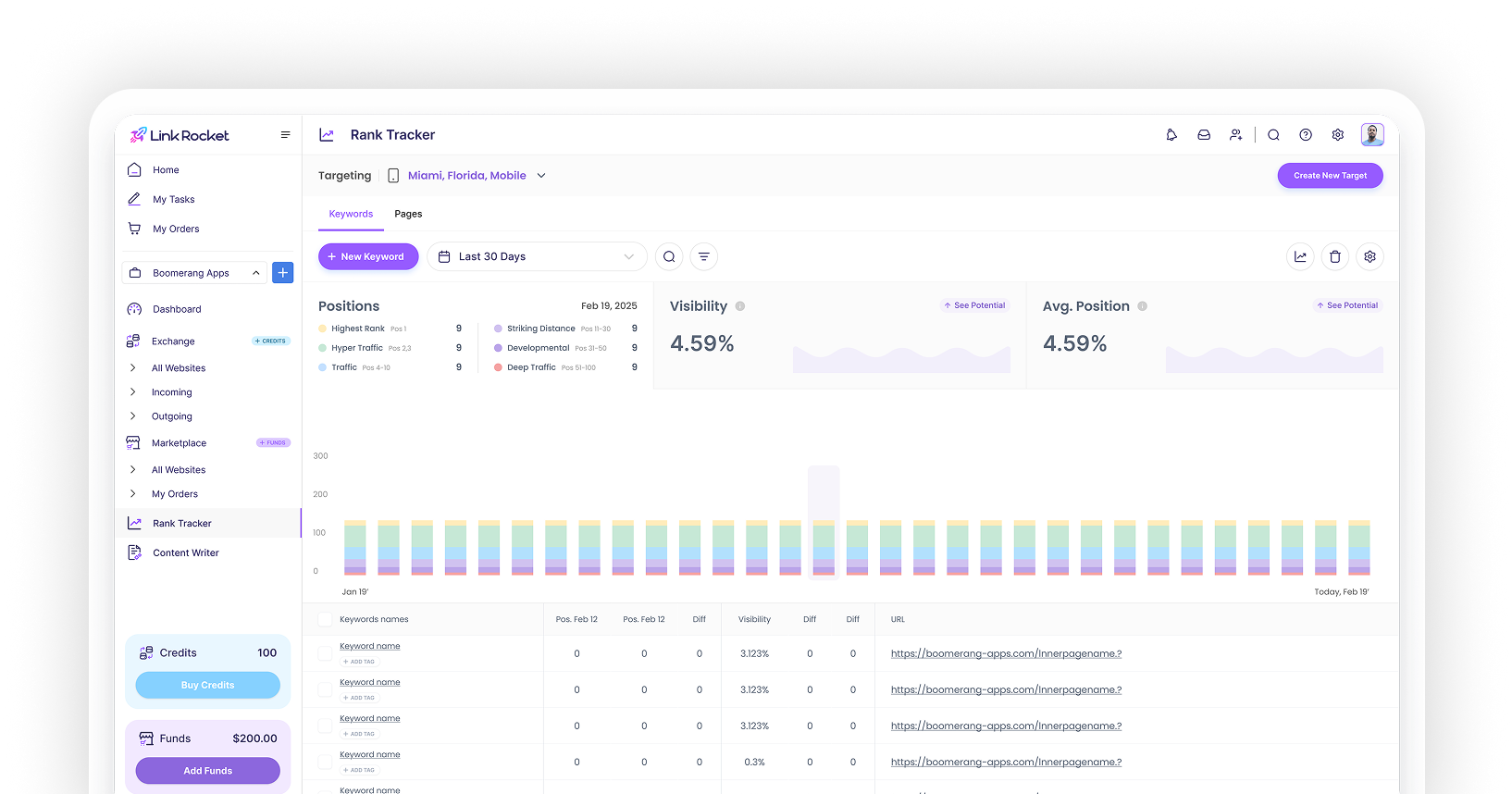
Claude Code can be wired into a centralized SEO command center that pulls Google Search Console, GA4, and Google Ads data into one system — replacing the tab-switching chaos that eats hours every week. It surfaces the top 1,000 queries, flags keywords ranked 5-30 that nobody bothered to optimize, and runs paid-organic gap analysis in about 90 seconds. That’s brutal efficiency. It also tracks crawl errors, indexation status, and Core Web Essentials in one place. The full breakdown below shows exactly how it works.
Chaos. That’s what most SEO workflows look like when someone’s toggling between Google Search Console, GA4, and Google Ads in separate tabs like a caffeinated air traffic controller. Claude Code changes that equation. It consolidates all three platforms into one unified tracking system, pulling the top 1,000 queries over 90-day windows complete with impressions, clicks, CTR, and average position metrics. Python scripts handle authentication, fetch the data, and spit out JSON files. No tab-switching. No crying.
The keyword intelligence layer is, frankly, a little unfair. It reveals which search terms actually drove users to specific pages, displays average ranking positions, and shows the top 10 queries per page with the option to scroll through more in batches of 10. More significantly, it surfaces incidentally ranking keywords, the ones nobody optimized for but somehow showed up anyway. Those represent untapped opportunities most teams completely ignore. Targeting easy wins means focusing on terms ranked in positions 5-30 that haven’t been deliberately optimized yet but could surge with proper title tag and heading placement. Which is wild, but here we are.
On the technical side, the system monitors flagged crawl statuses, tracks indexation timestamps, and confirms whether the most crucial pages even exist in Google’s index. Pages get categorized by indexability status. Crawl errors get surfaced with specific remediation suggestions. Core Web Essential results show up categorized as Poor, Needs Improvement, or Good, alongside page-level speed optimization suggestions. Sessions, bounce rates, and conversion data get correlated across paid and organic channels. Pretty thorough stuff.
The strategic analysis component is where things get genuinely competitive. The dashboard identifies wins, gaps, and surprises across SEO performance. Paid-organic gap analysis compares search term performance between channels, slashing what traditionally took hours down to approximately 90 seconds. Competitor domains and AI search citation data appear for benchmarking purposes. Backlink powerhouse pages get flagged as candidates for internal linking strategies, distributing link juice where it actually matters. Content gaps where competitors rank but the client site doesn’t get exposed.
Real-time progress tracking replaces guesswork. Ranking changes over time measure whether strategies work or flop. AI visibility data tracks presence in AI-generated search results, a metric most people aren’t even watching yet. The whole thing runs like a centralized war room. Messy spreadsheets didn’t stand a chance.